National Dentists Day (6th March 2026)
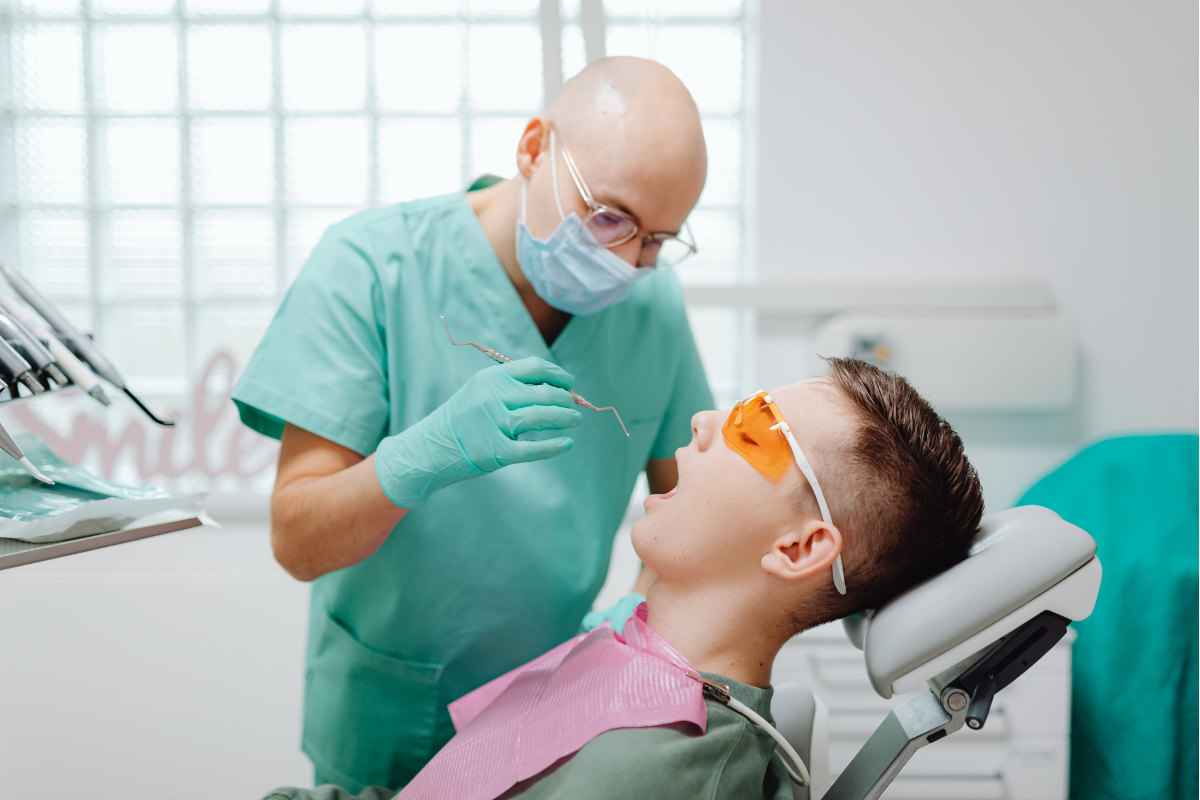
Dentistry is a career built on precision, trust and patient impact, and within Rodericks Dental Partners our clinicians are supported to grow, collaborate and deliver high-quality care. We asked our Dentists to share what a typical day looks like, what inspires them and what advice they would give to those considering the profession.
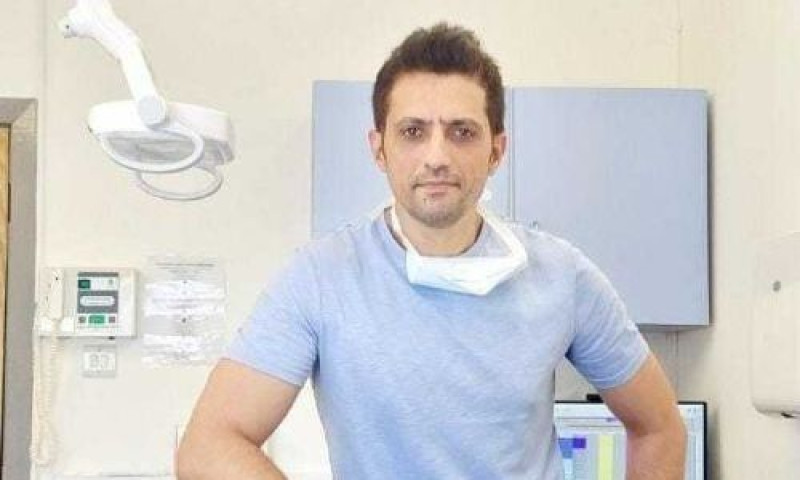
Shahaz Ahmad | Dentist at South Normanton Dental Practice
Can you walk us through a typical day in your role?
A typical day in my role as a dentist starts with reviewing my schedule and patient notes to prepare for the day ahead. No two days are exactly the same, which is one of the things I enjoy most about the job. I usually see a mix of patients — from routine check-ups and cleanings to more complex procedures like fillings, root canals, or extractions.
Throughout the day, I focus not just on treating dental issues but also on helping patients feel comfortable and at ease, especially those who may be anxious. I take time to explain procedures, answer questions, and discuss preventive care so patients can maintain good oral health long-term.
There’s also teamwork involved — working closely with dental nurses, hygienists, and reception staff to make sure everything runs smoothly. By the end of the day, it’s rewarding to know I’ve helped improve someone’s health or confidence or even relieved their pain.
What’s your favourite part of your day?
My favourite part of the day is definitely interacting with patients and seeing the positive impact of the work I do. Whether it’s helping someone get out of pain, improving their smile, or supporting a nervous patient through treatment, those moments are really rewarding.
I especially enjoy when a patient who was initially anxious leaves feeling more confident and comfortable — that sense of trust means a lot. It’s the combination of making a real difference to someone’s health and building genuine connections that makes my day fulfilling.
How do you work with your team to support patients?
Working as a dentist is very much a team effort. I rely heavily on my dental nurses, hygienists, and reception staff to make sure every patient has a smooth and positive experience from start to finish. Communication is key — we regularly discuss treatment plans, patient needs, and any concerns so we’re all on the same page.
During procedures, my dental nurse supports me closely, which allows me to focus fully on the patient while ensuring they feel comfortable and reassured. Outside of the clinical side, the reception team helps create a welcoming environment and keeps everything organised.
By working collaboratively and supporting one another, we’re able to provide safe, efficient, and compassionate care for our patients.
What skills or qualities are essential for your role?
As a dentist, strong clinical skills and attention to detail are essential, as the work requires precision and focus. You need good hand–eye coordination and the ability to stay calm under pressure, especially during more complex procedures.
Communication is just as important. Being able to clearly explain treatments, listen to patients’ concerns, and build trust makes a big difference in their overall experience. Empathy and patience are key, particularly when working with nervous or anxious patients.
I’d also say resilience and a commitment to continuous learning are important qualities, as dentistry is always evolving and you want to provide the best possible care for your patients.
If someone is considering this career, what advice would you give them?
Think twice if you want to do it, and if someone is certain and if someone is considering a career in dentistry, I’d say make sure you genuinely enjoy working with people as much as you enjoy science. Dentistry is a great balance of healthcare, hands-on practical work, and building long-term relationships with patients.
It’s also important to be prepared for hard work and continuous learning—the training is demanding, and even once you qualify, you’re always developing your skills. Gaining some work experience in a dental setting can really help you understand what the day-to-day role is like.
Most importantly, if you’re compassionate, detail-orientated, and motivated to make a real difference to people’s health and confidence, it can be an incredibly rewarding career.
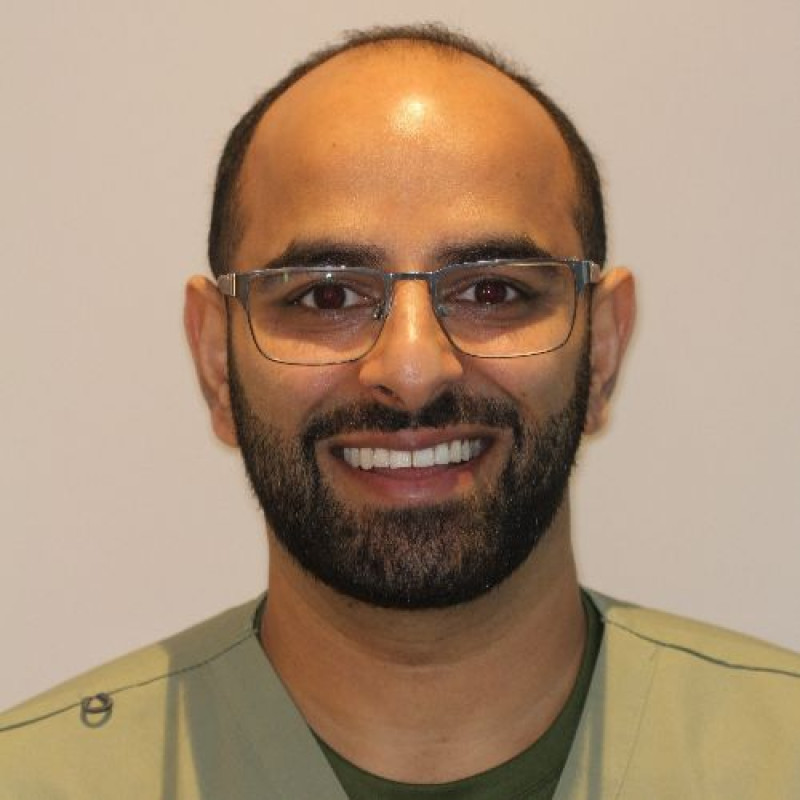
Dhimant Patel | Dentist at Kings Heath Dental Practice
Can you walk us through a typical day in your role?
My days are a dynamic blend of high-level surgery and community care. Having been with this practice since 2012, I see families I’ve known for over a decade, but my clinical day has evolved significantly.
I start with a debrief with the reception team and my nurse to prepare for the day's flow. A typical morning might involve complex implant surgery or aligner orthodontics—utilising my Masters in Restorative Dentistry—followed immediately by a routine check-up for a long-standing NHS patient. I love this variety; one minute I am a specialist surgeon, and the next I am a friendly local dentist checking a child’s first tooth. It keeps me grounded and technically sharp.
What’s your favourite part of your day?
It is the specific moment of 'reveal' when restoring an implant case. Implant surgery is a long journey for a patient, often born out of the trauma of tooth loss.
My favourite moment is when we fit the final restoration, hand them the mirror, and they realise they can not only smile with confidence again but also function and eat properly. Seeing that transition—from self-conscious to whole again—validates all the years of study and training I’ve undertaken. It’s the tangible proof that dentistry changes lives.
How do you work with your team to support patients?
I work with a fantastic team of 14, and because I’ve been here for over a decade, we function like a well-oiled machine. My leadership style is optimistic and fun—we take the work seriously, but we don't take ourselves too seriously.
I strive to help my team reach their full potential, encouraging them to take ownership of patient care. We rely on open communication: we have morning huddles to flag patient needs, and after long, complex restorative cases, my nurse and I always have a debrief and a cup of tea. That ritual allows us to decompress, discuss what went well, and ensure we are ready to give 100% to the next patient.
What skills or qualities are essential for your role?
While my Masters and Diploma provided the clinical skills, I believe my 'superpower' is non-verbal communication. Essential dentistry requires the ability to read a patient quickly, spotting the tensed shoulders or the gripped hands before they even say a word.
You need high emotional intelligence to get on the patient’s level immediately. If you can read their anxiety cues and adapt your energy to make them feel safe, the clinical work becomes infinitely easier. It is about being a 'people expert' first and a 'tooth expert' second.
If someone is considering this career, what advice would you give them?
I would tell them that dentistry is 20% manual dexterity and knowledge and 80% communication and listening. You can have the best hands in the world, but if you cannot make a patient feel heard and understood, your clinical skills won't matter.
Secondly, commit to lifelong learning. I have spent years on my Diploma and Masters, and I am still learning every day. The moment you think you know it all is the moment you stagnate. Fall in love with the process of learning, because the technology and techniques never stand still.
Jon Coventry | Dentist at Ormskirk
Can you walk us through a typical day in your role?
My day starts at around 8. After walking the dog (Boris, a 10-year-old Beagle) I try and sit down with a coffee, log onto Dentally (a great move clinically by the company for the ability to be able to log on at home and pre-apply templates or write referrals from the comfort of your sofa, not after hours in the clinic) and get my head around the upcoming day. I am lucky enough to have a 10-minute commute, so I can be out the door by 8.45 and in the clinic, sat down, and ready to start the day by 9.
I work in a mixed clinic with NHS, private and Denplan patients. We also have an Emergency Dental Services contract which I help out with. This keeps my day busy and varied; I am lucky to very rarely have white space.
Lunch is 30 minutes (being self-employed, I don't really want to be sat twiddling my thumbs for an hour at lunch), but it is usually spent writing referrals. The afternoon clinic follows the same pattern as the morning. Usually finishing at 5pm (although I will accept patients on a private basis on a Monday up until 6pm, and I'll do a weekly tutorial with my International Dental Graduate from 5 to 6pm on another evening.) Then off home to recuperate before starting it all again the next day.
What’s your favourite part of your day?
There are a few things I enjoy... interacting with my Mentee, seeing them grow as their experience develops and their competency increases... I do enjoy the Emergency Dental Slots in my diary, because I have no idea what will show up... some days it can be a wisdom tooth infection, another a dental trauma. I have even had a case of Ludwig's Angina walk through my door (thankfully only once). It takes away the monotony of a day full of check-ups!
How do you work with your team to support patients?
Our team is fortunate to have the support of an excellent Oral Surgeon with vast knowledge and expertise, a Restorative Specialist who primarily works in our clinic completing difficult endodontic cases, and a Dentist who excels in aesthetic solutions. I also treat patients who require Short Term Ortho. We have week-long hygiene/therapy support and 4 GDPs who keep the patients coming through the doors.
Our nursing staff are friendly and supportive to the patients and keep our dentists on track with their excellent pastoral care. Our Treatment Co-ordinator keeps the private treatments flowing. She expertly manages our patients finance applications and makes sure that these patients are seen in a timely manner and that any queries are dealt with quickly.
Our receptionists are experienced and, as the first point of contact for our patients, provide an excellent first impression of the business; they support our Dentists with active diary management.
Our Practice Manager works hardest of all and is probably the most underrated role within the team. She acts as the "goalkeeper" in our clinic, manages our complaints, makes sure the Citrix is followed up on when we have an equipment issue, keeps the iComply up to date so we pass CQC, follows up on issues that arise from audits, and makes sure we are all up to date with our CPD.
It takes an army; we all have our roles, but we support our patients by working as a coherent practice team.
What skills or qualities are essential for your role?
You need to be personable, empathetic, patient and meticulous. We spend our working lives helping people who are often scared, intimidated, in pain and at their wits' end. A smile, total professionalism, some gentle reassurance, good anaesthesia and providing quality treatment outcomes will work far more in your favour over the life of your career than a flashy social media page... word-of-mouth recommendations (in my opinion) are the best advertising you can have.
If someone is considering this career, what advice would you give them?
Go for it!!! Keep your head down, work hard, stay focused, know what you need to achieve to get you to your end goal, and commit to it. There will be ups and downs along the way, but if you keep that end goal in sight and keep working towards it, you'll get there in the end.
Reflections
Their reflections show that dentistry is both challenging and deeply rewarding, offering continuous development and the opportunity to make a real difference in patients’ lives. If you’re a Dentist looking for a supportive clinical community and opportunities to progress, visit our Careers page.
See a career here?
More blogs
The latest updates to get your teeth into.