Time to smile!
On 4th October, we celebrate World Smile Day. A happy event that encourages everyone to spread some cheer for the day, it is also an opportunity to show a little kindness and help someone else smile too.

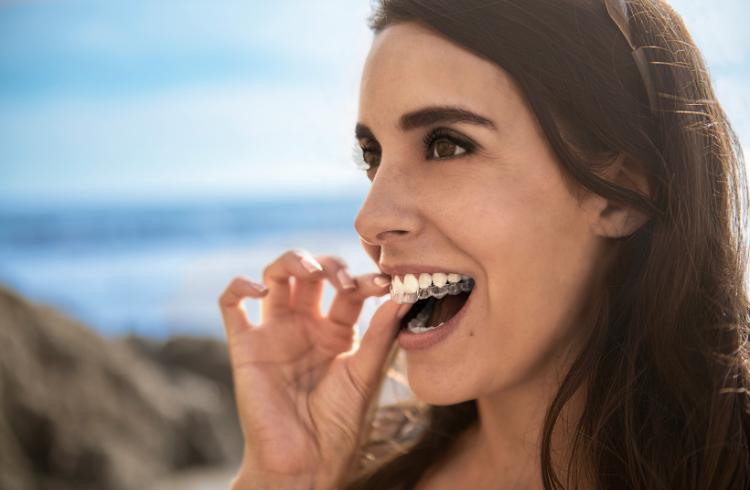
With both research and help from your dentist, you can establish which treatment is best for you.
Invisalign® is a type of teeth-straightening treatment that involves using clear, custom-made aligners, which must be worn for at least 22 hours a day. These aligners are made from a thin, flexible material and exert light pressure to move your teeth into the correct position.
Also known as fixed orthodontic braces, this teeth-straightening treatment improves the appearance of overbites and crowded or protruding smiles. Brackets are glued to your teeth using a dental adhesive, and wires are put through them to create the braces. They work by applying light pressure to slowly move your teeth into the correct position.
Invisalign® and traditional braces are both used to straighten teeth and move them into the proper position to improve oral health, appearance and comfort. These treatments might have similar goals, but there are many key differences between the two. Let’s take a look at Invisalign® versus braces in more detail.
Invisalign®: This treatment uses clear aligners which are discreet. Some patients favour Invisalign® over traditional braces because they’re less noticeable.
Traditional braces: These use brackets and wires, which are attached to your teeth. The NHS only provides metal braces, but going private means you’ll have more options, such as being able to customise your braces with colour or choosing a clear or tooth-coloured option.
Invisalign®: Invisalign® is often used to treat milder issues. Many patients complete their Invisalign® treatment within six to nine months; however, this timeframe can vary depending on the severity of the case. It’s important to follow advice from your dentist to ensure the treatment is effective, such as wearing your aligners for at least 22 hours a day.
Traditional braces: Fixed dental braces are often recommended for those with more severe orthodontic problems. It can sometimes take a few years to complete treatment, depending on the severity of the case. Just like with Invisalign®, it’s important to follow your dentist's advice to ensure the treatment is successful.
Invisalign®: Your aligners should be removed when eating and brushing your teeth. This means you don’t need to change your diet, but it does mean you need to remember to put them back in afterwards!
Traditional braces: Hard, chewy, or sticky foods can get stuck in your braces, making them difficult to clean, and can potentially damage your braces too. Limiting sugary foods whenever possible is a rule that many dentists will advise to anyone to prevent plaque buildup. Having braces can further increase the risk of cavities forming because they can make it difficult to clean away food residue, meaning it’s especially important to avoid sugary foods.
Invisalign®: This treatment isn’t available on the NHS because it’s considered an aesthetic choice. The overall cost depends on various factors, including the clinic you go to, as well as your individual requirements, like the length of treatment and the type of adjustments needed.
Traditional braces: Traditional braces for those who are under 18 years old are available on the NHS if the dentist thinks they’re a suitable option. For adults, orthodontic treatment isn’t typically available on the NHS, but might be if it’s required for health reasons. If you’re getting traditional braces on the NHS, these will be metal.
Going private means you’ll have different options available for the colour of your braces, and these range in price. For example, ceramic braces (which are more discreet) are generally more expensive than metal ones. Various factors can also affect the overall cost, such as the length of your treatment.
Invisalign®: Invisalign® aligners are known for being comfortable because they’re personalised to fit your mouth, easy to wear, and made from a flexible and thin material. When changing aligners, they may feel a bit uncomfortable at first because they work by applying pressure.
Traditional braces: Some patients find that braces feel strange at first, but it shouldn’t take long to get used to them. Because pressure is used to move your teeth into place, they might feel slightly uncomfortable at times, particularly after adjustments.
If you’re unsure whether Invisalign® or braces are best for you, one of our experienced and friendly dentists can help guide you to make the best choice. Across our UK dental practices, we use personalised, high-quality treatments to care for our NHS and private patients. You can use our practice locator to find your closest dental practice and schedule an appointment with us today.
The latest updates to get your teeth into.
Popular Treatments
Teeth Whitening Invisalign® Implants Dental Crowns Dental Check Ups Fixed Braces Composite Bonding Dental Hygiene